

Success has a thousand fathers, but failure is an orphan
John F. Kennedy, 21 April 1961
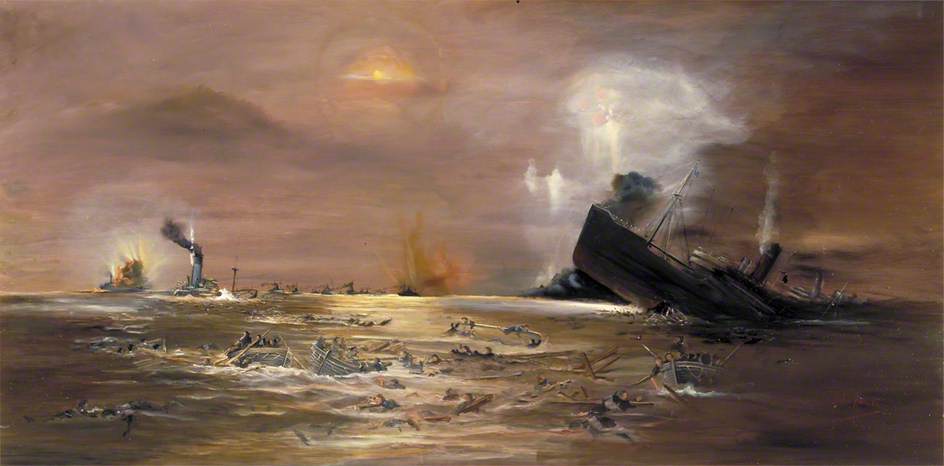
This is a book about failure. It is about the failure of the Royal Navy and the Royal Canadian Navy to adequately protect three of the slow, lumbering, trans-Atlantic convoys from marauding German submarine wolfpacks, convoys that were bringing vital supplies from a free world to a beleaguered Britain. It was failure due to an inadequate number of escorts, due to inadequate types of escorts, due to insufficient training, due to a lack of an agreed operational doctrine, due to poor communications, due to well-meaning but incompetent leadership, due to pursuing the humane rescuing of survivors at the expense of protecting the convoys. It was a failure to ensure the safe and timely arrival of those convoys, the stated objective in Convoy Instructions. The severe mauling of the three convoys represented a triumph of German war experience and technical superiority versus British inexperience and technical inferiority compounded by mismanagement.
Three trans-Atlantic convoys, while not of particular importance in their own right, were disastrous as to losses: SC-7 of October 1940 lost 20 of 37 ships; HX-79 also of October lost 12 of 49 ships and SC-42 of September 1941 lost 15 of 70 ships.
Contrast this with the memoire of a convoy commodore, Rear-Admiral Sir Kenelm Creighton:
Atlantic convoys were drab, monotonous and unending. Some commodores and a good many merchant seamen trundled backwards and forwards for over five years without seeing a ship sunk or hearing a shot fired in anger.
Unfortunately for a good many merchant seamen and their ships in convoys SC-7, HX-79 and SC-42 they did not fit that bill.
This is their story.